Standing in a paint shop with a dozen sample strips is more stressful than it looks. The finish you choose changes how a room feels and how long it lasts.
That’s where low sheen vs. semi-gloss becomes a real conversation. Both are popular in NZ homes, but they serve different purposes. Knowing which one fits your space saves you from repainting sooner than you’d like.
Understanding Paint Sheen Levels
Sheen describes how much light a painted surface reflects once it dries. Sheen levels range from flat paints and flat matt to satin finish paint , semi-gloss , and high-gloss . A higher sheen generally means more reflectivity and durability.
What Is Low-Sheen Paint?
Low sheen paint sits between matte and gloss. It has a soft, subtle finish with just a slightly glossy appearance , enough to wipe down without the sheen becoming the focal point of the room.
What Is Semi-Gloss Paint?
Semi-gloss reflects noticeably more light and handles wear far better than flat paints . It’s built for surfaces that are exposed to moisture, regular contact, or frequent cleaning.
Low Sheen vs. Semi-Gloss Paint: Key Differences
Both finishes work well. The decision comes down to what the surface has to handle each day.
Appearance and Shine
Low sheen delivers a soft, composed look on walls. Semi-gloss carries a noticeable shine that makes surfaces feel sharper and more defined.
Durability and Cleaning
Semi-gloss paint wins here. Marks wipe off easily, and the finish holds up under repeated cleaning far better.
Surface Imperfections
Low sheen absorbs light rather than bouncing it back, which naturally hides imperfections on the plaster surface and uneven walls. Semi-gloss highlights every flaw, so wall condition matters before you commit.
Light Reflection
Semi-gloss paint reflects considerably more light, which can brighten smaller or darker rooms. High gloss takes it further, but for most homes, semi-gloss is the practical limit.
Where to Use Low-Sheen Paint
Low-sheen paint suits spaces with low moisture or minimal contact. Most walls and ceilings in the home fit that brief.
Living rooms and bedrooms: A satin finish brings warmth here. It’s softer than high gloss and more durable than flat paint .
Interior walls: Works well as an interior paint finish on large wall areas. Covers evenly and sits quietly behind the room’s paint colour .
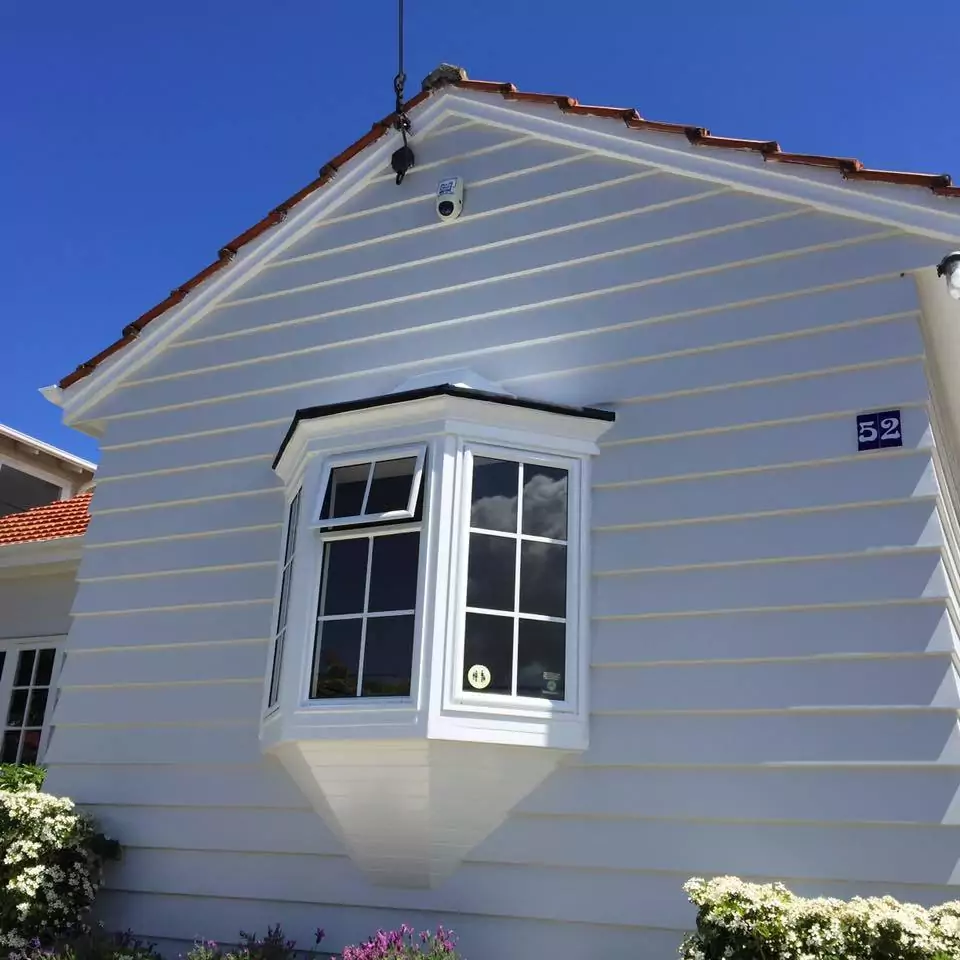
Exterior cladding: Low-sheen exterior paint handles UV exposure and variable conditions without fading too quickly.
Ceilings and feature walls: Minimise surface imperfections overhead and avoid the harsh reflective quality a gloss finish would introduce.
Where to Use Semi-Gloss Paint
Semi-gloss belongs wherever your home works hardest. Its stain resistance makes it genuinely practical for surfaces that see daily wear.
Kitchens and bathrooms: This paint is stain-resistant and easy to clean , which is exactly what steam and splashes demand.
Doors and trim: Constant handling needs a durable finish. Semi-gloss delivers that and gives trim a clean, sharp edge.
Cabinets and woodwork: Repeated contact dulls lower-sheen finishes faster than most expect. Glossy paint holds up significantly better.
Skirting boards and frames: Scuffs collect here constantly. Semi-gloss paint is far more resilient than matt over time.
Choosing the Right Paint Finish for Your Home
Most homes use a mix of both finishes, with lower-sheen options for walls and ceilings and higher-sheen for trims and wet areas. Lighting and paint colour both influence how a finish reads in a real space, which is difficult to judge from a sample alone. Expert Interior Painters Wellington can assess the conditions and take the guesswork out of the decision.
Feature
Low-Sheen Paint
Semi-Gloss Paint
Shine level
Soft, subtle finish
Noticeable shine
Durability
Moderate
Highly durable
Cleaning
Moderate
Easy to clean
Best for
Interior walls, exterior paint
Doors, trims, and kitchens
Neither finish performs well on poorly prepared walls. The prep work underneath is what determines how long any finish actually lasts. For homes with older plaster or damage, professional plastering services in Wellington before painting make a visible difference to the final result.
Low-sheen paint suits interior walls , ceilings, and exterior paint on cladding. It handles surface imperfections better than higher-sheen options, making it a practical choice for most residential spaces.
Not exactly, though the terms are often used interchangeably. Satin paint sits in a similar sheen range but can run slightly glossier depending on the brand. Always check the specific product before committing.
The core difference is reflectivity. Low-sheen paint has a soft, quiet look, while semi-gloss is shinier and considerably more durable. The semi-gloss vs. low-sheen choice usually comes down to the room’s function more than personal taste.
Low-sheen or satin-finish paint is the most practical option. Flat paints are harder to maintain, and high gloss on walls tends to feel overwhelming. Low sheen sits comfortably in the right place for everyday residential interiors.



 Call us at - 0508 VIETDUC
 74 Oriel Avenue, Tawa, Wellington 5028